

Meenakxe Iyer

Uncategorized

Eat healthy, Stay healthy

We have all been told that healthy eating should be a part of one’s lifestyle and not a fad that one reverts to every time the scale tips in the wrong direction. Perhaps the best way to make it a part of our lifestyle is to begin when young. Integrating healthy practices and home cooked food into our everyday diet will lead to a lifetime of healthy choices – Our children will thank us for it. Here are a few easy to follow tips we want to share to honour * World Health Day* . Let us leave our children a lasting legacy of good health Make mealtimes a priority . Don’t skip meals but instead sit together, as often as possible, to eat together as a family. A child begins to looks forward to this time at the table. Don’t use chips and biscuits and cakes as *Rewards*. It builds a unspoken connect in the child’s mind between fun and junk food so much so that healthy eating is seen as a punishment. Fill the fridge with small containers of chopped carrots, sliced fruits, hummus, vegetable dips, fresh unsweetened fruit yogurts, baked nuts, a wholemeal bread jam sandwich, and all such things a child can reach out to when hungry. If the only thing that is within easy reach is a pack of crisps, or a box of muffins, then that is what your child will gravitate to. Teach children how to cook. They can begin cooking at a very young age . My 8 yr old loves shredding lettuce, blending the oils for the dressing, making lemon mint juice and measuring out rice for me to cook. My 4 yr old sits beside me as I make his pancakes stirring the batter and adding the chocolate chips. Children enjoy cooking and experimenting – many a times it is the adults who draw barriers wanting to avoid messy kitchens and spills and cuts. Once safety is ensured, allow the littles ones to step in and help. IT is a rewarding experience. Tempting as it is to let them watch while they eat, place strict limits on screen time when they eat And most important of all, be a role model. Children look upto their parents and anything a parent does is seen as ticking all the boxes. Eat healthy, Stay healthy, Pass the right message to the next generation.

Eat healthy, Stay healthy Read More »
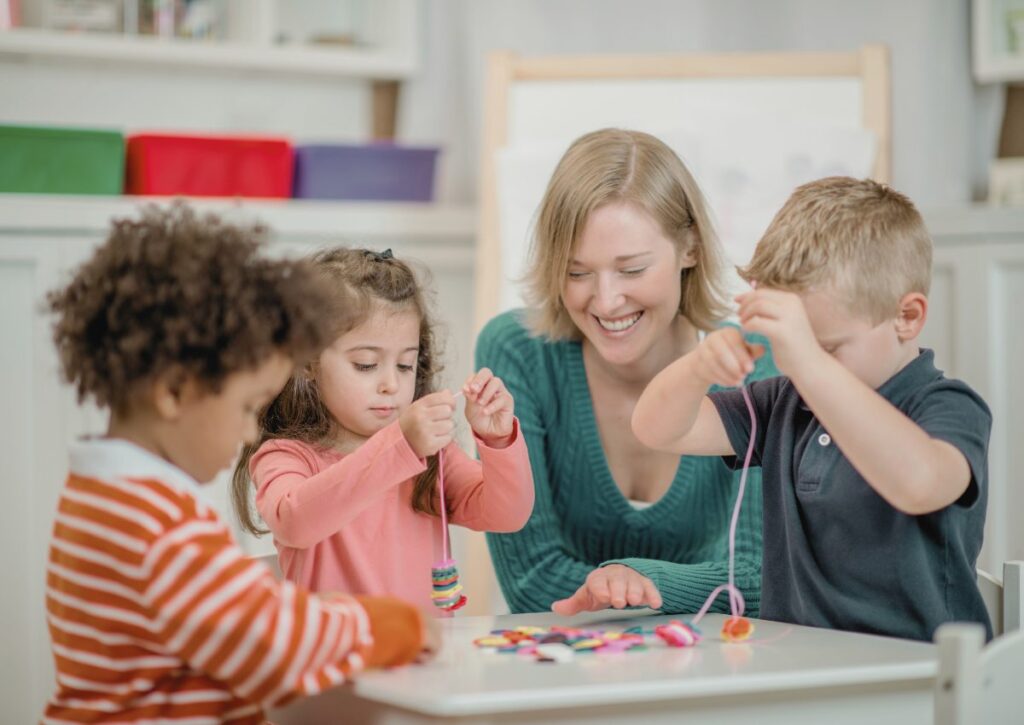
6 tips to help your child develop fine motor skills

If you have a child who is getting ready to start preschool and you are wondering how to help your child develop fine motor skills so that he/she can write well, then you are on the right page. Different children develop motor skills at different rates. However, if your child is having difficulty fine motor skills, he/she may have trouble while holding pencils, buttoning clothes, turning pages and tie shoelaces. If you think your child needs little extra help to develop fine motor skills, try these fun activities: 1. Practise tracing worksheets: Before your child can write complex shapes like numbers and alphabets, it is important they can hold a pencil. Tracing straight lines, curves and different shapes is a fun way to practise this important skill. Remind your child to hold a pencil in his/her dominant hand and use the other hand to hold the paper steady. Keep handwriting worksheets so that you can show your child his/her progress. 2. Experiment with art: Children love colours and as a parent, you must make the most out of this love. Give your child crayons, markers to create and draw. Instead of giving them a paper to draw, give them a carton. The novelty of drawing on a carton will at least keep him/her interested in writing at least for a few days. To give them a sensory- rich experience, let them do finger painting. Squeeze a little finger paint on the paper and let the child use his/her imagination to do wonders. Confused about your parenting style? Book a free consultation and understand what style is best as per your child and your needs. Transform your family dynamic and create deeper, more meaningful connections with your children— because every moment spent together matters more than you think 3. Proficiency with toddler-friendly scissors: Give your child printed and coloured glace papers, tissue papers or just old mails. And then let them cut it with toddler-friendly plastic scissors. Working a tool like a scissor will give your child a nice grasp of holding different items. 4. Use modelling dough to make shapes: The best way to strengthen hand muscles and develop control over the fingers is to let your child try his/her hand at with playdough. Let them make different things like a ball or a snake out of it. Using a shaper maker cutter will improve your child’s dexterity and acquaint them with different shapes. 5. Making sand castles: If you don’t cringe at the idea of your child bringing home some sand, then give them buckets and scoops, see amazing benefits of sand play. When a child uses buckets and scoops, he/she makes a physical effort to lift sand and this strengthens their muscles and improves their grasping skills. It also improves hand-eye- coordination. 6. Getting dressed: The ability to dress up requires gross motor skills and coordination skills. Dressing themselves up or wearing shoes on their own can help children do complex like buttoning a shirt. Initially, your child will need your help. Give clothes that do not have too many buttons as a child may find it tiresome and give up completely. Unlock the tools to parent with confidence and love, while navigating the toughest moments with grace—so you can raise happy, resilient children who feel truly heard and understood. You don’t have to do it alone. Let us guide you to become the parent you’ve always wanted to be, one step at a time, so you can create a home filled with peace, trust, and unbreakable bonds.

6 tips to help your child develop fine motor skills Read More »